Rethinking Breast Cancer Awareness: A Survivor Speaks

Breast Cancer Awareness Month Feature
What a Worcester County resident and breast cancer survivor wants us to know
A RHETORICAL CONVERSATION BEFORE THE CONVERSATION
How do we talk about breast cancer without talking about breasts?
Breasts. We giggle about them in health class. They feed our babies, bring pleasure to many, can be dressed up or dressed down, and are often considered the visual cue of womanhood. Helen King, in her book Immaculate Forms: the History of the female body in four parts, says, “Historically, the Breasts have perhaps most encapsulated everything that a woman is supposed to be- at least on the outside.” The topic of breasts is most often associated with femininity, child-rearing, and well, sexuality. Historically, discussing the sexuality of women has been taboo and breasts, perhaps, have gotten the wrong kinds of attention.
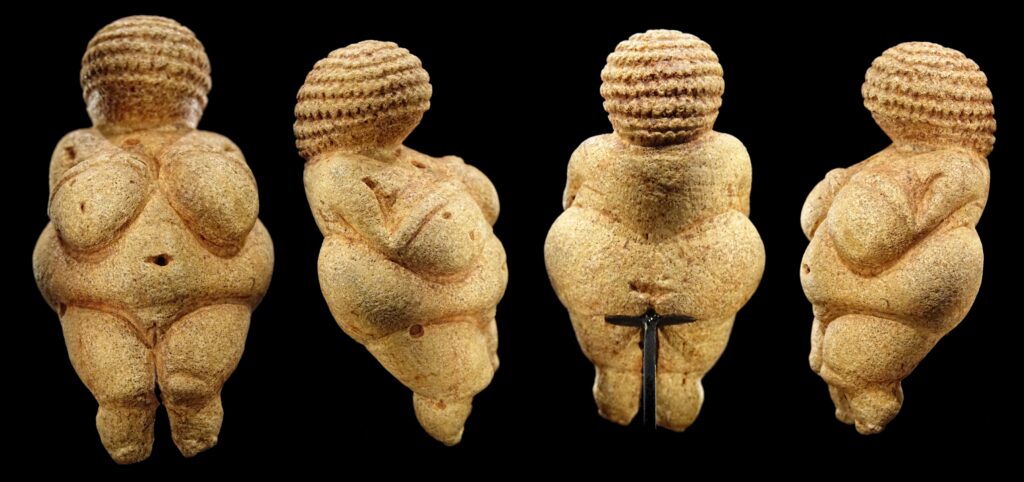
It isn’t surprising in such a context, that many people are surprised to learn that men have breast tissue, too, albeit a smaller amount. We are all born with breast tissue and any tissue can become cancerous. So breasts are more than a female body part, they are certainly not the only thing that makes a woman a woman and technically men have them.
The answer is we must talk about breasts, or at least breast tissue, differently.
One imagines the “breasts are female” lens also makes it incredibly hard for men to discuss their experiences with breast cancer and to seek treatment. “About 2,800 new cases of invasive breast cancer [were] expected to be diagnosed in men in 2024,”1 and it would be irresponsible for the public to marginalize any person who has breast cancer.
Through an alternate lens: Breast tissue is a part of the human body that requires attention, should not instill fear or shame, and sometimes needs medical attention. Beyond talking openly about generally accepted breast topics like mammogram recommendations and breast cancer statistics, we need to normalize talking about breasts outside of the context of sexuality and shame and recognize the humanity of having breasts. Liberating our next generations from the “size matters” competition could be life-affirming for all those who identify as woman and girls. Further need to acknowledge the deeper meaning that breast cancer embues in survivors.
“I never considered my breasts NOT being part of my body until I had breast cancer” Jaime
For survivors and advocates, being able to have conversations about breasts and breast cancer is critical to understanding how to detect, treat, prevent and cure the illness and how support people who have the disease. It is possible that society can ease the burden of this effort by recognizing that we are really talking about humans, not body parts or victims, not sexuality or statistics. Breast cancer means different things to different people, especially to survivors, and every single story is different.
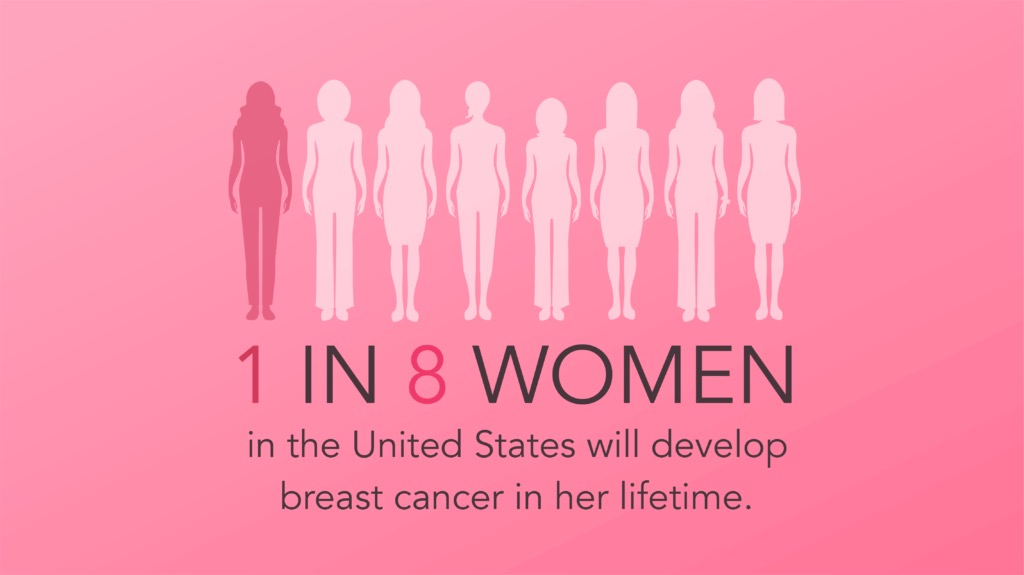
Click here for breast cancer facts
Most people know that breast cancer is the second leading cause of cancer death in women in the U.S., after lung cancer. But do we understand what that means for survivors? If we truly listen, we will hear deeper conversations about health, identity, gender affirmation, grief and more. All of it is important and personal.
All the ways we have historically talked and thought about breasts lose meaning when a person has breast cancer.
Some things the public simply may not understand include: Losing the ability to nurse a child, feeling less or more feminine or masculine, deciding whether to get prosthetics, and other very personal challenges. But we can try a little harder to listen and understand.
In addition to documenting the great awareness work done by many local foundations, organizations and individuals to fight breast cancer, What’s Up Worcester wanted to hear from a survivor. What information does she think would be beneficial for the public to know? What can help us understand what breasts and breast cancer mean to to those who fight for life?
So lets talk about breasts and breast cancer.
AUTONOMY AND DIGNITY ARE CRITICAL: THE REAL CONVERSATION
Meet Jaime, Worcester County resident, and a board member of the Pink Exchange who, in her words, “[has] gone through treatment for breast cancer and has no evidence of disease.”

journey and those just beginning, ensuring no one faces treatment without these vital comfort items“
Jaime was diagnosed with triple positive breast cancer, an aggressive yet fairly treatable, type of breast cancer, in October 2023 and finished treatment in February of 2025. She has hit the ground running in efforts to help other women coping with breast cancer diagnosis and wants to do “everything she possibly can to help other’s whose priority is fighting and surviving, day to day”. She said she had exceptional treatment and resources in the Greater Worcester area but found there were deficits in two areas. One was the affordability and availabilty of comfort items like cooling caps and mastectomy bras and the other was a lack of in-person peer-run support groups. She and two other survivors have led the charge in bridging these gaps by heading up The Pink Exchange and local private FB support group called “Fight Club” that meets in person.
Living with diagnosis, and surviving day by day [with dignity] is a full time job.
Some people call her a survivor or a warrior, and many people rightfully embrace the term “pink warrior.” Personally, Jaime prefers a pragmatic approach to describing her experience because “so many don’t survive, but that doesnt mean they didn’t fight.” She also says, “Why tempt fate?” Even those who beat the odds must mourn who they were before diagnosis. “Breast cancer changes everything about you,” physically and emotionally, she says. It is hard to imagine what re-inventing life after breast cancer would feel like. Something she says she never considered before was “NOT having her breasts be a part of her body.” Though Jaime did not require masectomy, this very human consideration is certainly a very different way to talk and think about breasts!
She wants readers to know that all stories are equally valid and that autonomy is critical at every step. Power of choice and humanity are central themes of WUW’s conversation with Jaime. From terminology to treatment approach, from selecting the right oncologist to answering questions from friends, the person with breast cancer has power of choice. The impact of- and response to diagnosis is highly personal and no path to healing is wrong. For example, some people choose double mastectomy and some choose no intervention at all, and that choice is made by a human facing their own mortality. It isn’t for the public to judge these choices. It is hard to imagine such a deeply personal journey, even when one is on it and there is no wrong way to cope with diagnosis. Retaining dignity and quality of life when the breasts are under attack by cancer- being discussed, poked and prodded- cannot be conditional: Each patient is also a human.
A person simply cannot be the same person [they] were before diagnosis.
Jaime says breast cancer is life-altering long after treatment is over. People often misundertand that the arduous task of reinventing oneself and rebuilding life during and after breast cancer is a a deeply personal and emotional experience, for the patient and family and friends. The diagnosis of breast cancer “doesn’t just “poof, go away” when treatment is done. People will ask her children ‘how their mom is doing’ for the rest of their lives. Breast cancer treatment can change skin and hair, body weight and strength level, and even sense of taste and smell. Family members can develop anxiety and depression. People offer unsolicited medical advice. “You have to go back to basics at the gym and face questions at work,” she says. “Life has gone on around you while you are sort of suspended in time.” Jaime also shared an important fact: many people experience medical trauma2 as a result of going through a combination of surgeries, chemo and radiation, being poked and prodded by doctors weekly (or more frequently) for months or years, and a lot of fearful waiting for answers and treatments. Jaime had an infection during her treatment that was “really scary” though she says treatment itself wasn’t frightening for her.
Waiting is the hardest part
Jaime says “waiting is the hardest part.” For her the waiting between mammogram and biopsy and from biopsy to diagnosis was a “massively scary and exhausting’ time. She cautions also that mammograms don’t always show the full picture. In her case, the results were unusual but not immediately diagnostic. She required more testing and said she could not feel the small lump. Then there is waiting to tell people, preparing for and undergoing long treatments and wondering what the latest testing will show.
She says sitting in the infusion room weekly is surreal, and her first infusion was 9 hours, certainly a long time to sit still! She learned a lot during infusions from peers and nurses. She saw women using comfort items she’d never seen before, and some people had companions while others chose to be alone during the treatment. Everyone is different and all personal choices are acceptable. The layperson may not understand these choices, but one must respect them. Some family members, for example, insist on attending appointments or in being in the infusion room for support, but it is important to ask the patient if that is what they want to honor their human dignity.
“Women in Treatment Need to be Pampered”
Who knew? Pampering is not all casseroles, flowers and fuzzy socks, though gifts are thoughtful and appreciated. Jaime discovered she didn’t have much of an appetite and her sense of taste and smell had changed so gifts of food were mostly helpful for family. She said sugar cravings are common and she unexpectedly wanted “tons of muffins, muffins were all [she ]could eat”. She also needed different types of skin and hair products because “your skin is a mess during chemo” and her “hair fell out in clumps”.
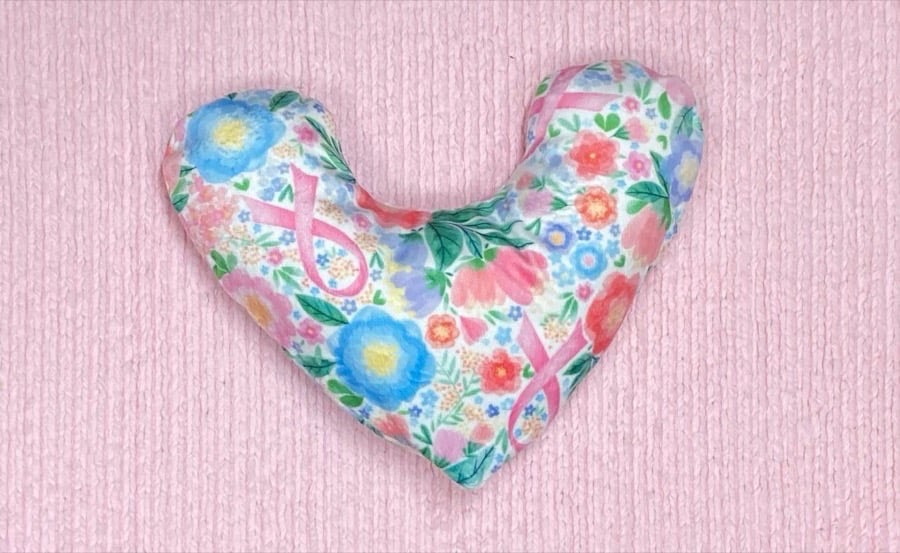
She suggests those who want to give gifts focus on comforts specific to breast cancer such as: gift cards for skin care products (like Sephora or CVS) and items like breast pillows and bras that can be found online and now at the pink exchange. In addiction acts of service such as rides to chemo, helping with cooking and cleaning, watching kids are all helpful things for some families, she said. A great way for outside supports to be helpful and manage their own confusion and feelings is to simply ask the patient what she or he needs.
Some items will be surprising. Jaime said losing hair from chemo was be extremely painful and itchy and some people use a “cold cap”, a dry ice-filled hat meant to prevent or slow down hair loss. These are not medically covered and they are extremely expensive. Another cooling device is gloves, meant to help with potential chemo-induced neuropathy. Not all patients choose caps or gloves, and Jaime said she didn’t and luckily didn’t develop neuropathy. She noticed in these times that every person manages the illness differently and power of choice is as important with comfort items as it is when choosing your oncologist or whether to go to work.
She said it’s critical to be your own advocate and to learn everything one can when diagnised and throughout treatment. She spoke to other patients, joined Facebook groups, google searced things she didn’t understand (beware doom scrolling) and got resources from nurses, who had an arsenal of ideas such as Pink Hippy‘s Bosom Buddy network and holistic practices. Something to note is that it may be difficult for friends and families to have less knowledge about how to help their loved one than nurses and peers.
Supporters struggle and grieve, too.
Jaime recognizes that friends and family often don’t know how to react to a cancer diagnosis and they are dealing with their own fear, pain and grief. Therefore, they might say or do things that are unhelpful despite coming from a good place. Jaime was confident in her treatment protocol so she found herself “consoling others” that she would be okay. In addition to the gifts mentioned above, some people want to give advice like “eat more Kale and antioxidants” (which is helpful for health, but not medical advice), while some “good friends just disappear” and new peer friendships are formed.
Another important observation is that the outpouring of support from friends, family and coworkers is often massive at the time of diagnosis, but can fall away as time goes on and everyone “adjusts to the diagnosis.” Jaime doesn’t fault anyone for not knowing how to handle her diagnosis. She said there were times she grieved and felt mad, too. She missed going to the gym and Tough Mudder races, and generally felt the loss of quality of life, which looks different for everyone. She is eager to get back to her pre-cancer activity level of going to the gym five days a week.

WUW believes in you, Jaime.
We will do a Tough Mudder with you when you are ready!
Certainly Jaime is not a person meant to sit around and wait for life to happen to her. She is a dynamic person with a great sense of humor, intelligence, love and common sense.
Don’t stop living
Even though survival is a full-time job for breast cancer patients, Jaime didn’t want to stop “living rather than just surviving.” She wanted to stay present for her husband and children. When her energy levels were higher, perhaps as a result of steroid treatment, she would “clean her house until it sparkled” and engage in physician-approved exercise. She said it is a miscinception that breast cancer patients can’t ever go out or exercise. It is true that during chemo immune system precautions are important, as are post-surgical limitations, however, she says energy levels are different for everyone depending on treatments, personality, and health.
During treatment she says she had trouble concentrating which was difficult for a bibliophile and a member of three book clubs. (She is grateful to be able to read again!) Instead she did a lot of research and engaged with resources and patients which in turn, reinforced her deep appreciation for individual stories besides her own. Her urgency to help others grew while she was still in treatment, thus leading to being an integral part of the “fight club” peer support group and getting the Pink Exchange off the ground. She says she has “tried to be as active as possible in raising awareness since finishing treatment.”
That is really who Jaime is: a natural helper and a really good human, breast cancer or otherwise. What’s up Worcester is grateful for her candor and her desire to serve others.
Breast cancer is a disease characterized by the uncontrolled growth of abnormal cells in the breast tissue. It is one of the most common cancers affecting women worldwide, though it can also occur in men. Early detection and advances in treatment have significantly improved survival rates, but awareness and education remain crucial.
A few more “take it or leave it” suggestions from Jaime (take it!)
DO get a second opinion and vet the doctors you will be working with for a long time. Your oncologist will be your partner for duration of your treament, and trust, comfort, bedside manner, and participation in your own treatment decisions are critical.
DO advocate for yourself, including financially. If you find it hard, ask for help. There is no question that is too big or too small. Nurses are great resources for information and resources. Jaime recommends personally checking your insurance for referrals to cover some services because costs are high. For example one infusion session can cost $60,000. Jaime had 12, luckily covered by insurance.
DO ensure you have support and resources for the long haul and after treatment, if not for life. Build and keep peer support (and remember some of your new friends may succumb to the illness.) There are also support groups and services for loved ones. Remember that after treatment, medical trauma is common and the mental battle isnt over, so it’s ok to grieve and mourn for as long as needed. Also, there can be physical lasting changes such as differences in hair, not to mention breast changes from lumpectomies and of course, masectomy. She says how people look at you is forever changed. You are now a breast cancer statistic to some. It is normal to be in therapy and need support for years to come. Again, every story is different and every experience is valid.
WUW Wonders
click links for more info
Q. Can teen girls get breast cancer?
A. According to a 2019 study, “Breast cancer in adolescents and young adults 15 to 39 years, account[s] for 5.6% of all invasive breast cancer in women.” In the youngest population, breast cancer is very rare. “Breast masses in children and adolescents are uncommon and most often benign” says this 2017 study.
Some select resources for breast cancer support, research and awareness:
- YWCA Central Massachusetts cancer support programs – Encoreplus program-Free
- UMASS breast cancer care at cancer center- Inclusive care. National Accreditation Program for Breast Centers
- Pawsitively 4 Pink – Financial assistance for low-income, underserved women diagnosed with breast cancer in Massachusetts. Trains Emotional support dogs
- Holy Cross 4 a Cure – Student-run club with events throughout the year and proceeds going to local bc charities
- The National Breast Cancer Foundation works with medical facilities in the U.S. It offers grants for free mammograms and diagnostic services.
- Screening for breast and cervical cancers: NBCCEDP, CDC website or by calling 1-800-232-4636.
- The American Breast Cancer Foundation (ABCF) – Breast Cancer Assistance Program. It offers screenings and diagnostic tests for people without insurance.
Author’s note: This article was written with the utmost care for those battling breast cancer and surviviors and the writer does not claim to be a medical professional nor to have personal experience. All information is based on one interview with a breast cancer survivor and extensive online research. The writer understands that personal opinions in this piece may not resonate with all survivors, supporters or medical professionals and is open to correction and/or dialogue about breast cancer. Additionally, as research improves, statistics and information may become out of date and again, the writer is open to feedback, updates and new research publications.
- cancer.org, cancer.gov, Who.int, cdc.gov ↩︎
- Hear Medical Trauma explained by Dr. Sacha McBain, clinical psychologist and associate professor at Rush University Medical Center ↩︎
About The Author