By Jerry Filmore
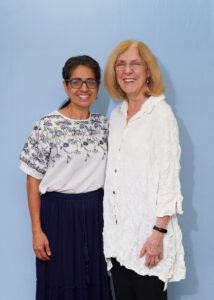
At a time when media is constant and rapidly evolving, Julie Frechette, professor of communication at Worcester State University, is helping students and the broader community better understand how media shapes everyday life. In a conversation with What’s Up Worcester, Frechette reflected on her path into media studies, the evolving role of technology, and why media literacy has become an essential skill in today’s world.
Early Influences and Understanding Media
Frechette traced her interest in media back to her upbringing. Growing up in a working-class household with limited access to media, she began to notice a disconnect between her lived experiences and the realities often portrayed on television and other platforms. A defining moment came during high school, when a class examining media coverage of the Vietnam War revealed how different perspectives can shape public understanding. That experience led her to explore media more deeply and eventually pursue advanced studies in communication and media literacy.
How Media Defines Who Matters
Frechette explained that media plays a powerful role in shaping perceptions of identity and value. Decisions about which stories are told and whose voices are included can influence how people understand the world around them. While technology has expanded access to content creation, she noted that inequality still exists. Participatory platforms have opened doors for more voices, but issues such as online harassment, exclusion, and unequal access to resources continue to shape who is visible in media spaces.
What Students Take Beyond the Classroom
Frechette emphasized that her goal is for students to leave the classroom with more than academic knowledge. She encourages them to reflect on their own media consumption and understand how it shapes their values and worldview. Students are asked to examine who owns media platforms and consider the motivations behind the content they encounter. Through assignments such as media journals, they begin to recognize patterns in how information is presented. She also encourages students to become media creators themselves, using tools like blogging, video production, and podcasting to share their own perspectives in thoughtful and responsible ways.
Connecting Media Literacy to Real Life
Frechette shared examples of how students apply media literacy in practical ways. In one exercise, she reframes the word “television” as “Tell-A-Vision” to highlight how media presents a specific interpretation of reality. In another project, students participated in a political journalism assignment where they researched issues important to them and evaluated candidates based on those priorities. Rather than repeating common media narratives, students developed their own perspectives and presented them in a public forum. These experiences, she said, help students see themselves not just as consumers of media, but as active participants in shaping it.
Concerns About Misinformation and Hope for the Future
Frechette expressed concern about the growing influence of algorithms, artificial intelligence, and misinformation. She explained that modern media literacy must include the ability to recognize AI-generated content, understand how algorithms influence what people see, and identify emotionally manipulative messaging. At the same time, she pointed to growing awareness among educators, policymakers, and communities as a positive sign. Efforts to hold technology companies accountable and improve digital literacy education represent steps toward more responsible media systems.
The Role of Worcester State and Higher Education
Frechette described Worcester State University as playing an important role in preparing students to engage with media beyond the classroom. She emphasized that media literacy should be integrated across disciplines, combining critical thinking, technical skills, ethics, and civic engagement. Her work reflects a broader goal of ensuring that students are equipped not only to navigate media, but to contribute to it in meaningful and responsible ways.
Why Media Literacy Matters to Everyone
For those outside academic settings, Frechette offered a clear message: media literacy is not just for students. It is a necessary skill for everyday life. Without it, individuals are more vulnerable to misinformation and manipulation. With it, they are better prepared to make informed decisions, engage in civic life, and understand the forces shaping the information they encounter. As media continues to evolve, she said the need for these skills will only grow.
W.U.W. Verification Box
Sources:
- Interview with Julie Frechette, Professor of Communication, Worcester State University
- Worcester State University faculty information
What We Know:
- Frechette teaches media studies and media literacy
- Students engage in projects involving media analysis and content creation
- Media literacy includes understanding misinformation, AI, and algorithms
What Is Not Yet Known:
- Future expansion of media literacy programs at Worcester State
- Specific policy changes related to media literacy education at the state or institutional level
About The Author