




By Coach Betsey, BTKfitness

Worcester is a culturally diverse and economically stratified city offering a vibrant culinary scene, including a growing focus on healthy foods. From healthy snacks to Herbalife shake shops and grocery hauls, there is something for everyone in Worcester. But what about Functional Food, the trend that’s shaping wellness in 2025?
The Superfood Waffles at Nu Kitchen: tender housemade gluten-free waffles made with almond flour, chia, and flax, and topped with fruit and superfood fudge: suggest the Woo is in. NU Kitchen, formerly NU Cafe | Worcester, Somerville, Newburyport, MA. Cruelty-free and nutrient-dense never tasted so good!

What Makes Food “Functional”?
The US food market is flooded with food products claiming to improve health and weight management. From probiotic sodas such as Bloom Pop to power smoothies, acai superfood bowls, and even mushroom “coffee,” consumers are getting on board with eating with purpose. What are these magical foods and ingredients, and do they actually benefit health?
Functional food is food with a purpose beyond basic nutrition.
Food and drink as medicine is not a new concept. Americans have believed ginger ale is good for nausea and OJ for Vitamin C’s immune support for a long time, though they aren’t considered curative. When sentenced to death in 399 BC, Socrates chose hemlock tea to do him in! Low-sodium, heart-healthy, allergen-free, and gluten-free diets are proven methods for fighting disease.
Some trends are reliable for treating ailments. One function of a low-sodium diet is to lower blood pressure, and that is medically established. In the case of Celiac disease, a gluten-free diet is the only critical life-saving measure. It is noteworthy that there is no evidence that the average person benefits from a gluten-free diet, and consumer demand drives the cost higher for those whose lives depend on gluten-free products. Gluten sensitivity: new epidemic or new myth? That’s some food for thought.
The Local Connection
In America, medicinal food products are considered supplementary and not a replacement for modern medicine. However, proponents for functional foods believe in the food’s dual purpose as nutritive and curative/preventative.
Herbalists, such as the owners of Thyme Herbal Apothecary on Shrewsbury Street, are committed to looking for and treating root causes of illness through herbal supplementation and toxin elimination. The Center for Applied Nutrition at UMass Chan Medical School on Lake Ave is on the cutting edge with its mission to “use food for preservation of health, and treatment of chronic disease.”
Manipulating food intake and eating nutrient-dense foods (high vitamin and mineral content) to combat or treat a host of illnesses has its roots in antiquity. Ayurvedic medicine, including the Ayurvedic diet, has been practiced for 3,000 years. Ancient Chinese medicine has always incorporated herbs, foods, and tinctures to treat ailments.
Food elimination for intolerance or allergy, most recently in the case of peanut-free classrooms, is commonplace. In the 1980s, margarine was accepted as a better choice than butter for heart health. Today, we are back to butter. The wellness market moves with science and consumer interest.
With a strong foundation in tradition along with new tools and testing to measure outcomes and, most obviously, a food marketing industry that has done well to suck consumers in to believing the most current research, it follows that food trends will always evolve. Functional food is NOW.
It can be argued that all food is functional because its function is to provide fuel in calories, or units of energy, to the body. But functional foods are believed to improve specific body functions such as mental clarity or gut health. Consumers looking to optimize health and well-being choose foods high in micro-nutrients, added herbs and aminos, and low in sugar and calories.
Superfoods, such as leafy greens, ancient grains, and brightly-hued fruits, stack up as nutrient-dense, loaded with antioxidants, fiber, or other compounds that benefit health. Functional foods contain ingredients that are believed to enhance specific components of wellness, even including beauty products.
Another way to view functional foods is “performance foods” in that they purportedly help the body do certain things better. Key characteristics of functional foods include being nutrient-enriched, made from natural ingredients, including bioactive ingredients, targeting specific health, mental, and beauty outcomes, and integration into a holistic and sustainable lifestyle. Often, sustainable and organic manufacturing and packaging are served up, too.
Some Functional Food Categories to Know
✨ Gut Health Boosters – Probiotics, prebiotics, and fermented favorites like kombucha and kefir, apple cider vinegar, and ginger shots help balance stomach pH, which supports healthy digestion.
💪 Immune Support and Anti-Inflammation – Vitamin C, zinc, elderberry, and other supplements in snacks and drinks may support immune health and decrease inflammation. Vitamin Water is a popular brand. Green tea contains antioxidants that may reduce inflammation. Cinnamon and turmeric are commonly used to fight inflammation.
🥛 Galactagogues – Foods that enhance milk production for nursing women should always be trending. Some studies show that fenugreek, blessed thistle, alfalfa, and brewer’s yeast may support milk production.
MYTH BUSTER: OG grandmothers and mothers might still tell daughters that beer increases milk production in nursing mothers. It is NOT true, nor is it a good idea, yet in the early 1900s, beer companies used the folklore as a marketing tool to encourage women to buy low-calorie beer! Science shows alcohol interferes with milk production. However, topical cabbage leaves will help mastitis!
🧠 Mind & Mood Foods – Adaptogens, herbs, and plants that help the body cope with stress, and nootropics, aka brain food, include ashwagandha and ginseng, and Omega-3 fatty fish and plant oils, respectively.
⚡ Energy & Performance – Protein-packed bars and shakes, and natural caffeine sources are widely accepted to improve performance and recovery in athletes. Common supplements include creatine and aminos (the building blocks of protein). Notably, the nine essential amino acids humans need for health are bioavailable in these “complete proteins:” eggs, meats, dairy, soy, quinoa, and buckwheat.
💅 Beauty from Within – Nutricosmetics: Collagen drinks and antioxidant-rich foods. Studies have found that collagen supplementation can improve skin appearance and health.
🌱 Plant-Based Power – Superfoods and fortified plant milks. Many people choose a vegetarian or vegan diet for ethical reasons. It is possible to get all necessary nutrients in a plant-based meal plan, though sometimes B12 or other supplementation is needed.

Cool, but Why is Functional Food Trending?
The functional food trend may be a well-concocted marketing scheme that the booming Wellness Industry wants consumers to literally buy into, as suggested above. Excellent shake bars, gyms, yoga centers, and holistic options for health are popping up everywhere, including Worcester. Wellness coaches fill our feed with suggestions and offers. It follows that US consumers are ready to jump on the next fad for weight loss and a perceived fountain of youth, and this is far better than fast food trends!
A possible reason for the visibility of functional food is a societal reaction to the obesity epidemic. Food can be problematic for many people, and yet food can also be managed and even be a tool to heal. Worcester, once dubbed “the most obese city in MA,” as reported by MassLive in January 2024, is not exempt from obesity and associated illnesses, such as diabetes.
According to recent statistics from the Massachusetts DPH, “More than half of adults and 1 in 4 high school and middle school students in Massachusetts are overweight or obese.” Obesity is certainly a challenging topic and deserves attention, but a cure is not directly related to functional food.

Though any diet shift or attempt to eat healthier may result in weight loss, consumers should be aware of sly marketing, including functional food. For example, probiotics aid in gut health and digestion, but probiotics alone do not, in and of themselves, cause weight loss. Conflating correlation and cause is a reliable marketing strategy and likely a good reason for the spread of functional food trends.
Marketing aside, the shift from arbitrary medication and health protocols to incorporating holistic, total body, spiritual, and social measures such as yoga, outdoor living, forest bathing, and, of course, functional food, is a positive step away from big Pharma. It asks people to consider our natural resources and interact with the substances we put into our bodies more mindfully.
It also suggests our culture might be treating people more like humans, with all our complex systems intertwined and working together to keep us healthy. So, though Wellness is a business and a marketing strategy, functional food, just like functional medicine, has ancient roots and potential benefits. Done mindfully and properly, it cannot harm the consumer.
If the functional food trend is a sign that Americans are embracing holistic health and mindful eating, for any reason, that is a beautiful thing. This could mean that many people in the US and in Worcester have a real interest in the fundamentals of health and healthy eating, or are at least interested in trying new wellness solutions that are more accessible.
Perhaps people really are not looking for the next fad, but rather returning to the earth for solutions. Worcester businesses can support this movement by continuing to add to a growing list of local businesses that promote health and wellness in the food locals eat at affordable costs.
Worcester Has the Goods: A Very Incomplete List of Health-Focused Shops in the City
Local Health Food Stores
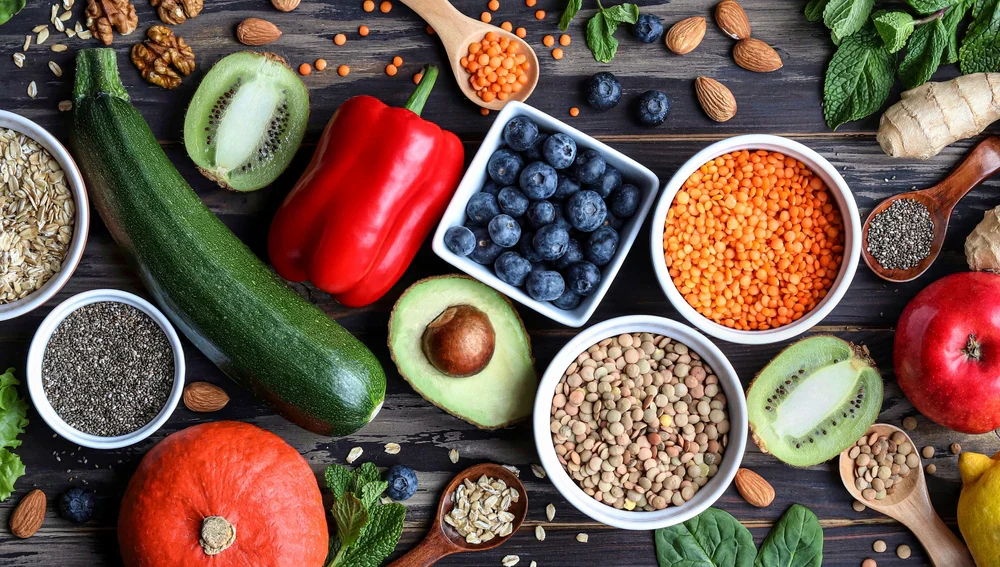
Bahnans International Marketplace, Bakery and Cafe: Not only does this family-owned neighborhood market have all the grains, fruits, and nuts (wholesale, no less!) a health-conscious consumer seeks, it also has incredible Middle Eastern baked goods and a cafe for gathering with friends.
Whole Foods: Located next door in Shrewsbury, this is a go-to chain for all things wellness and has a wide selection of organic foods, supplements, and natural products.
Roots Natural Foods: Located just outside Worcester in nearby Leominster, Roots Natural Foods offers a range of organic groceries and locally-sourced products. They also have a café serving fresh, healthy meals.
Local ethnic grocery stores: With so many international markets, you are sure to find some of the ingredients a typical store might not carry.
Shout out to the Living Earth, which closed its doors in December 2019, after 49 years as the go-to Worcester health food store.
Shake Shops Everywhere!
Uphill Nutrition: Grafton St. Go see Kelly for an Herbalife shake and a heart-to-heart. Her story will make you want to level up your own health.
Fit Livin: Lincoln St., an Herbalife smoothie shop offering great flavors and weight loss challenges.
Woo Juice: Front St, Downtown Worcester’s spot for freshly pressed juices, smoothies, and wellness shots. In their words, “our goal is to build and nourish our community while promoting a healthy lifestyle.”
Shake Up Wellness Cafe: West Boylston is a quick jaunt from the city for nutrient-dense, whole smoothies. They even have mocktails!
Nutrition Shops
GNC and Vitamin Shoppe: These two chain shops have locations in Worcester and the surrounding towns.
Thyme Herbal Apothecary: Shrewsbury St. A woman-founded and run business that cares about your health.
Undisputed Nutrition: Shrewsbury – One of Central Massachusetts’ go-to shops for bodybuilders and athletes, owned by former NFL player Shaun Loiseau.
Good Eats
NU Kitchen: Chandler St. is A go-to place to eat and meet for everyone. Their inclusive menu incorporates all dietary needs and restrictions into delicious plates and bowls.
Root and Press: Shrewsbury St. Immerse in a bookstore that offers plant-based options and sustainable compostable containers!
Life Garden: 1048 Main St. Located at the Jesus Life Center United Methodist Church, the Kuman Vegan Tartare is a superfood, omega-packed vegan delight. Protein waffles, supergreen smoothies, and a variety of international options not only benefit your body but also the local community of Main South.
Community Initiatives
Worcester Public Market: Vendors such as Edenish, Onda Acai Bowls, the Market Pantry, and a host of global offerings will surely fall into the functional foods category. Support Local!
Worcester Regional Food Hub: This initiative connects local farmers with the community, promoting access to fresh, local produce. They host pop-up markets and events throughout the city.
Canal District Farmers Market: Open year-round, this market offers fresh produce, artisanal foods, and locally-made products. It’s an excellent place to discover seasonal ingredients and support local farmers.
Have news, tips, or a story Worcester needs to hear? Reach Editor-in-Chief Jerry Filmore at jfilmore@whatsupworcester.com or press@whatsupworcester.com ( because community news starts with you.)
About The Author



Comments are closed.
The images look great! I hope this trend inspires action and interest in eating healthier and considering whole foods and sustainable ingredients!
We are excited for a WHat’s Up Worcester Food Tour series including Uphill Nutrition, Dad’s Keto, Thyme Apothecary and more!