


Heads up, Worcester! Our city is officially dealing with some serious dry spell drama. As of September 9, 2025, the state’s Drought Management Task Force declared a Level-2 Significant Drought for our Central Massachusetts region. Translation? It’s time to get smart about how we’re using water around here.
This isn’t just some bureaucratic paperwork shuffle; this declaration comes with real water restrictions that affect all of us, from families in Green Island to businesses downtown. Let’s break down what this actually means for your daily life and how we can all pitch in to help our community get through this dry patch.
What Does “Level-2 Significant Drought” Even Mean?
Think of drought levels like a weather warning system. We’ve got Normal (all good), Level-1 Mild (keep an eye on things), Level-2 Significant (time to make some changes), Level-3 Critical (serious business), and Level-4 Emergency (all hands on deck). Right now, we’re sitting at Level-2, which means it’s time to take action, but we’re not in crisis mode yet.
The state’s Executive Office of Energy and Environmental Affairs doesn’t throw these declarations around lightly. They look at rainfall data, groundwater levels, stream flows, and a bunch of other science-y stuff to determine when conditions are getting serious enough to warrant restrictions.
The New Water Rules: What You Can and Can’t Do
Here’s the deal with the new restrictions: they’re pretty straightforward, but they do affect how most of us have been living our outdoor lives.
What’s banned: Pretty much all nonessential outdoor water use. That means no more washing your car in the driveway with the hose, no hosing down your deck or sidewalk, and definitely no filling up that kiddie pool for the weekend. If you’ve been using sprinklers to keep your lawn green, that’s off the table too.
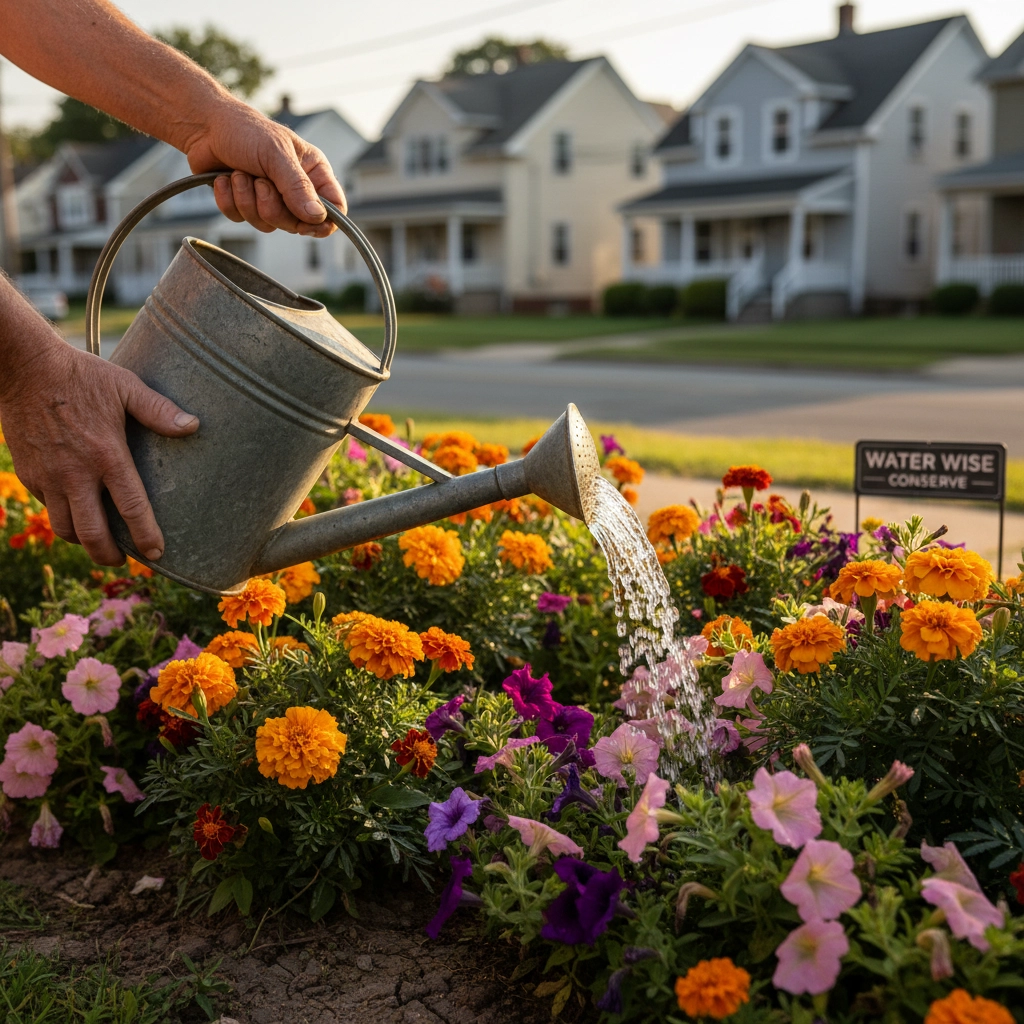
What’s still allowed: You can still water your flower gardens and ornamental plants, but only with drip irrigation systems, hand-held hoses, or good old-fashioned watering cans. Notice the key word here is “handheld”; no more setting up sprinklers and walking away.
The restrictions make sense when you think about it. Your tomato plants and flower beds need water to survive, but your lawn can handle going a little brown for a while. And honestly, with fall coming up, this might be the perfect excuse to finally stop stressing about having the perfect grass.
Golf Courses Feel the Squeeze Too
If you’re a golfer who loves hitting the links at any of Worcester’s courses, you’ll notice some changes. Golf courses have to reduce their fairway irrigation to just 60% of normal levels. Plus, they can’t water the roughs, landscaping, or ornamental areas at all.
This might mean the courses look a little more “rustic” than usual, but hey, it’s all about adapting. Most local golfers we know are pretty understanding about doing their part for the community.
Why Is This Happening?
Mother Nature hasn’t exactly been cooperating with our water supply lately. We’ve been dealing with below-normal rainfall for months, and August was particularly stingy with the precipitation. When you combine less rain with the typical late-summer heat, things dry out fast.
The Worcester region relies heavily on surface water sources, and when those reservoirs and streams start dropping, it affects everyone. The good news is that groundwater levels are still mostly okay, but the state wants to prevent things from getting worse before they get better.
Climate patterns can be unpredictable, but taking proactive steps now means we’re less likely to face more severe restrictions down the road. It’s like fixing a small leak before it becomes a flood, except in reverse.
How This Affects Different Parts of Our Community
Families: If you’ve got kids who love running through sprinklers, it’s time to get creative with indoor water play or head to one of Worcester’s splash pads or public pools. The restrictions don’t affect indoor water use, so bath time and kitchen needs are totally normal.
Gardeners: This is actually a great time to think about drought-resistant plants and more efficient watering methods. Many local garden centers are experts on plants that thrive with less water, and hand-watering can actually be better for plant health anyway.
Small businesses: Restaurants, laundromats, and other businesses that rely heavily on water for operations aren’t affected by these outdoor restrictions. However, everyone’s encouraged to be mindful about overall water conservation.
Apartment dwellers: If you live in an apartment complex, these restrictions apply to common areas and landscaping, but your personal water use inside your unit remains unchanged.
Smart Water-Saving Tips That Actually Work
Just because we have to cut back on outdoor water use doesn’t mean we can’t still keep our properties looking decent. Here are some Worcester-tested strategies:
Timing is everything: If you’re hand-watering your plants, do it in the early morning or evening when less water evaporates. Plus, plants actually absorb water better during these cooler parts of the day.
Mulch is your friend: Adding mulch around your plants helps retain moisture in the soil, meaning you need to water less frequently. You can often get mulch cheap or free from the city’s yard waste program.
Collect rainwater: Set up a rain barrel during the next storm to collect water for later use. It’s like having your own personal water reserve.
Choose your battles:Focus your watering efforts on the plants that matter most to you, maybe that vegetable garden or the flowers your grandmother planted.
Staying Connected and Informed
The city is keeping everyone updated through their official channels, and you can find detailed information at worcesterma.gov/dpw/drought. If you’ve got questions about what’s allowed or need clarification on the restrictions, Worcester 311 is your go-to resource. You can reach them through worcesterma.gov/311.
This is one of those situations where staying informed helps everyone. The restrictions might change as weather conditions change, so it’s worth checking in periodically to see if there are updates.

Looking Ahead: What Comes Next?
Drought declarations aren’t permanent; they change based on weather conditions and water supply levels. If we get some good rainfall in the coming weeks, we could see restrictions ease up. But if conditions continue to be dry, there’s a possibility of moving to Level-3 restrictions, which would be more stringent.
The best-case scenario is that everyone follows the current guidelines, we get some decent precipitation, and things return to normal relatively quickly. The key is community participation; when everyone does their part, it makes a real difference.
Worcester Strong, Even When It’s Dry
Here’s the thing about Worcester: we know how to pull together when things get challenging. Whether it’s snowstorms, economic ups and downs, or yes, even drought conditions, this city has a track record of residents stepping up for each other.
These water restrictions aren’t about making life harder; they’re about making sure we all have the water we need when we need it most. It’s temporary, it’s manageable, and it’s definitely something we can handle together.
So let’s embrace the slightly browner lawns, get creative with our gardening, and maybe use this as an opportunity to spend less time worrying about perfect landscaping and more time enjoying everything else Worcester has to offer. After all, there’s a lot more to love about our city than just green grass.
The drought will end, the restrictions will lift, and we’ll all have some new water-wise habits that probably make sense to keep anyway. Until then, let’s show everyone what Worcester community spirit looks like, even when the weather’s not cooperating.

Have news, tips, or a story Worcester needs to hear? Reach Editor-in-Chief Jerry Filmore at jfilmore@whatsupworcester.com or press@whatsupworcester.com (because community news starts with you.)
About The Author

