


Most of us grow up believing Christmas began with the Nativity story, but the truth is far older and far more magical. Long before Christmas was celebrated as the birth of Christ, ancient cultures honored this time of year as a season of rebirth, protection, and the triumph of light. Nearly every symbol we associate with Christmas today has roots that reach deep into pagan spiritual practice. When you understand where these traditions come from, the holiday becomes even more meaningful.
The Winter Solstice: A Turning Point for the World
Before lights went up on rooftops or trees were decorated with ornaments, people watched the sky. The Winter Solstice marked the longest night of the year, when darkness reached its peak and the sun began its slow return. To ancient pagans, this was a moment of awe. They believed the sun was a living force, and its rebirth signaled the renewal of life on earth.
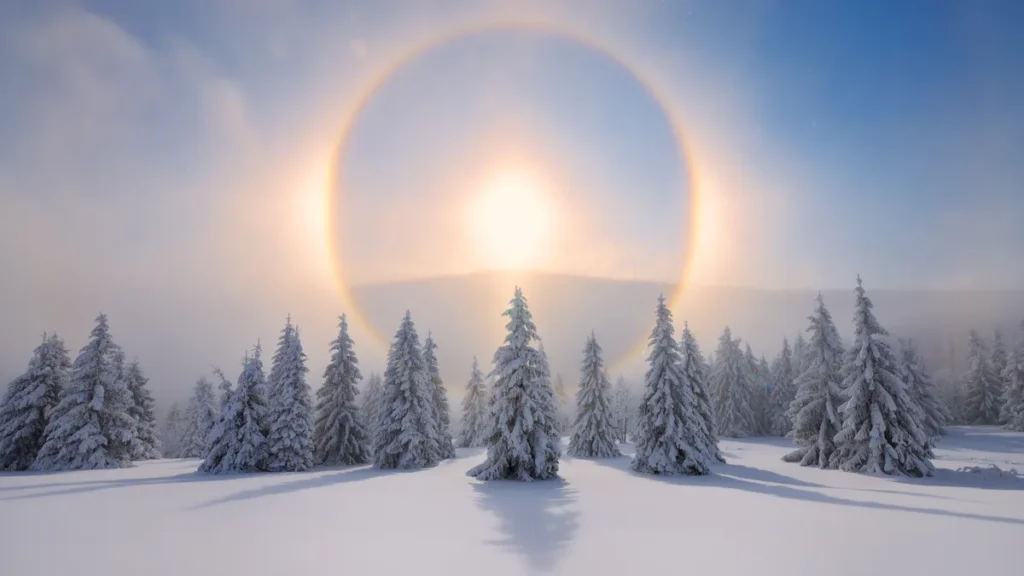
Solstice celebrations were not just parties. They were rituals of survival. Communities came together to call the light back, honor the natural world, and ask for protection through the cold months that still lay ahead. The symbols and ceremonies of these ancient celebrations later seeped into Christmas, shaping the holiday we know today.
Yule and the Northern Traditions That Became Christmas
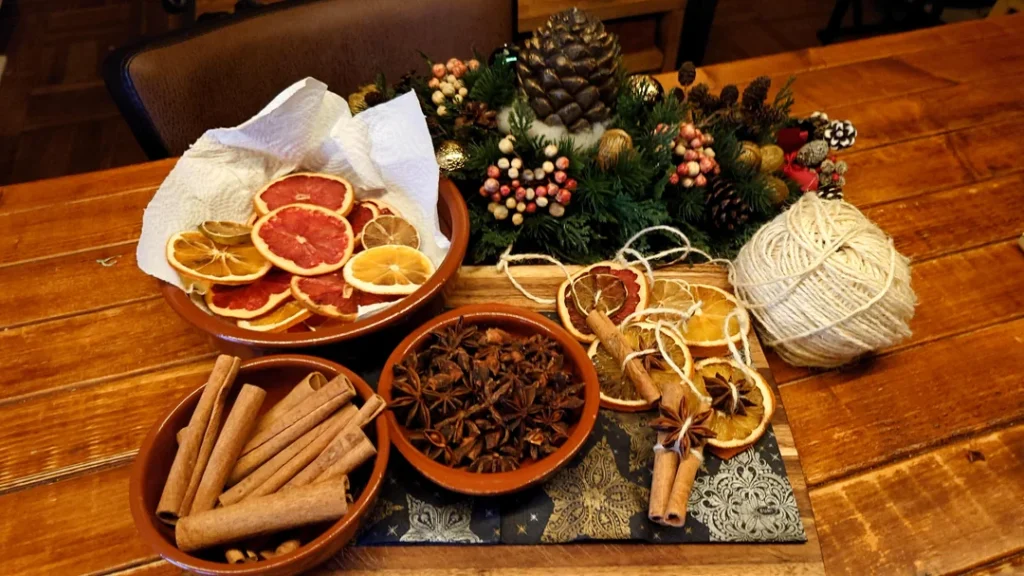
Across Northern Europe, the season of Yule was sacred. Yule lasted for days, sometimes weeks, and honored both the darkness that shaped winter and the light that would return.
People decorated their homes with evergreens not for beauty, but for protection. They believed these plants held strong spiritual energy because they stayed alive all year. Bringing these evergreens indoors invited strength, vitality, and resilience during the hardest season.
The Yule log was another powerful symbol. It was chosen with care, often from a sacred tree. Families burned it through the longest night to safeguard the home, bless the coming year, and symbolize the triumph of warmth and light. Embers from the log were saved to light the next year’s fire, creating an unbroken line of protection from one winter to the next.
Gift giving during Yule was not about material exchange. It was a spiritual practice meant to honor relationships, strengthen community, and ensure blessings spread through the household.
When Christianity spread into these regions, the early Church recognized how deeply these traditions were woven into people’s lives. Instead of erasing them, the Church absorbed them. Over time, the two celebrations blended, and the festival of Yule became the season of Christmas.
Symbolism Hidden in Plain Sight
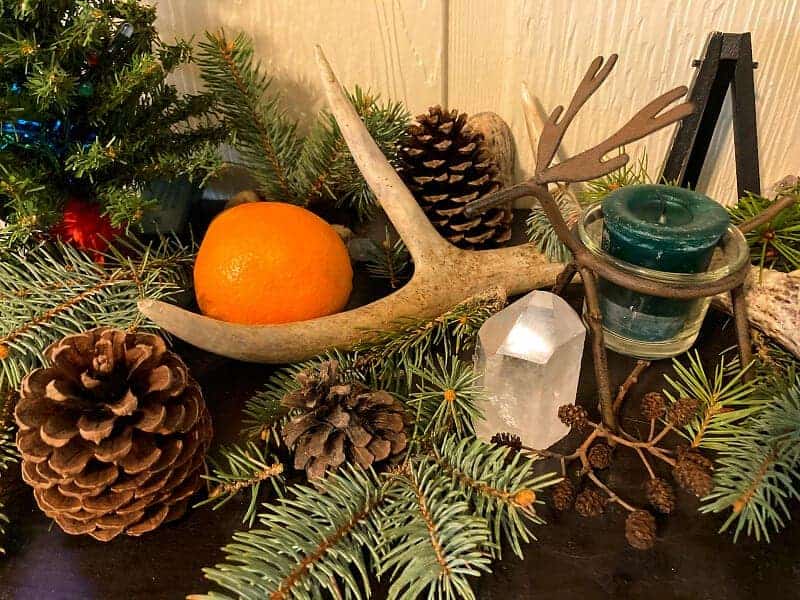
Many Christmas traditions still carry the same pagan symbolism they held centuries ago, even if modern culture has forgotten their original meaning.
The Christmas Tree
The tree was never meant to be a decoration. It represented eternal life in a season where everything else seemed to die. To ancient people, the evergreen stood as proof that nature would return and life would bloom again. Today it still symbolizes resilience, hope, and the strength to endure the dark months.
Wreaths
The circular shape of a wreath represented the eternal wheel of the year, a cycle without beginning or end. The greenery inside it symbolized renewal, while often hidden berries represented life, fertility, and the promise of spring.
Candles and Holiday Lights
The glow of candlelight once symbolized the rebirth of the sun. Lighting candles during the Solstice invited warmth, clarity, and protection. Today, when we string lights across our homes or place candles in our windows, we continue that ancient practice of calling light into the darkness.
Mistletoe
Mistletoe was believed to have powerful healing and protective properties. Druids considered it holy, especially when it appeared on sacred oak trees. People hung it in doorways to guard the home and bring blessings. The modern tradition of kissing under mistletoe reflects its ancient association with love, fertility, and harmony.
Bells
Bells were once rung to ward off harmful spirits that were believed to wander through the long winter nights. Their sound signified cleansing, protection, and the movement of energy. Today their cheerful ringing still carries that sense of magic.
Feasting and Gathering
Sharing food during the darkest days of winter was a way to celebrate survival and ensure that no one faced the cold season alone. It honored the belief that community is essential to weathering hardship. Every holiday meal still holds this deeper meaning.
How Christmas Transformed Over Time
As Christianity grew, the holiday became less centered on nature and more focused on the birth of Christ. Later, commercial culture reshaped it again. Yet even with all these changes, the original themes remain. Light triumphing over darkness. Community surviving the cold. Hope returning when it is needed most.
These ancient symbols did not disappear. They quietly traveled through time, carrying their magic into the modern world.
Why Understanding the Origins Matters Today

Learning the pagan origins of Christmas does not replace or erase anyone’s beliefs. Instead, it adds depth. It reminds us that humanity has always sought meaning, warmth, and connection during the darkest part of the year. It shows that traditions evolve across generations, weaving together many cultures and stories.
Most important, it reveals that the heart of the season is universal. Whether you celebrate spiritually, culturally, or simply enjoy the beauty of the holiday, you are participating in a tradition that spans thousands of years.
This year, when you light a candle, decorate your tree, or gather with loved ones, you are tapping into a lineage far older than Christmas itself. You are honoring the return of the light, the power of community, and the promise that even the darkest night eventually gives way to warmth and renewal.
There is a quiet magic in knowing that these symbols still speak to us, just as they did to the ancestors who first placed evergreens by their fires and waited for the sun to rise again.
Have news, tips, or a story Worcester needs to hear? Reach Editor-in-Chief Jerry Filmore at jfilmore@whatsupworcester.com or press@whatsupworcester.com (because community news starts with you.)
About The Author



Comments are closed.
Yo folks, 88vin.stone just might be your lucky ticket. Heard some folks hitting big there. Gotta be in it to win it, right? Give 88vin.stone a try. You never know!