Tech Goes Home Expands Digital Literacy in Worcester & Essex County Correctional Facilities and Reentry Programs


Big news for our Worcester community! Tech Goes Home, the Massachusetts nonprofit that’s been closing the digital divide across our state, just announced some major partnerships that are going to change lives right here in Central Mass and beyond. They’re teaming up with both Worcester County and Essex County correctional facilities to bring digital skills training to incarcerated individuals, and honestly, it’s about time.
Breaking Down Barriers, One Click at a Time
Let’s be real: when someone’s been locked up for months or years, the world doesn’t stop moving. Technology keeps advancing, apps keep changing, and suddenly what used to be simple becomes impossible. Imagine trying to apply for a job, find housing, or even video chat with your kids when you haven’t touched a smartphone in three years. That’s the reality thousands of people face when they’re released.
“We’re excited to partner with Sheriffs Evangelidis and Coppinger as we expand our work to help justice-impacted individuals gain valuable digital skills needed to thrive as they prepare for life beyond the wall,” said Dahlia Bousaid-Cox, interim CEO of Tech Goes Home. Since launching earlier this year, they’ve already graduated more than 80 people from their courses, and that’s just the beginning.
Worcester County Steps Up
Worcester County Sheriff Lew Evangelidis gets it. “We always focus on ensuring that inmates have the skills to succeed upon their release,” he stated. “An important aspect of rehabilitation and re-entry processes is offering opportunities to enhance digital literacy.”
Think about it when was the last time you applied for a job without going online? When did you last find an apartment without checking Craigslist or Facebook Marketplace? These aren’t luxury skills anymore; they’re survival skills. And Worcester County is making sure people have them before they walk out those doors.
The partnership includes the Worcester County Sheriff’s Office Resource Center and the Worcester County House of Corrections in West Boylston. It’s not just about learning to use a computer; it’s about workforce development, online safety, and figuring out how to navigate all those public resources that have moved online.
Essex County Joins the Movement
Up in Essex County, Sheriff Kevin Coppinger is equally committed. “At the Essex County Sheriff’s Department, we know that successful reentry starts with preparation,” he said. “Through our STAR program, we are committed to giving individuals the tools they need to rebuild their lives.”
The STAR program (Supporting Transitions And Reentry) in Lynn and Lawrence is already piloting these digital skills courses. It’s not just about the tech; it’s about giving people confidence to walk into any room, any interview, any situation, knowing they can handle whatever digital challenge comes their way.
The Money Behind the Mission
Here’s where it gets impressive: Tech Goes Home and their partner Ameelio scored a massive $6 million grant from the Massachusetts Broadband Institute’s Digital Equity Partnerships Program. Of that, $4 million is going directly to this justice-focused work, reaching more than 3,600 justice-impacted adults and youth across Massachusetts county jails and Department of Youth Services facilities.
That’s not pocket change – that’s serious investment in serious change. And it’s already working in Barnstable, Franklin, and Suffolk counties too.
What Actually Happens in the Program
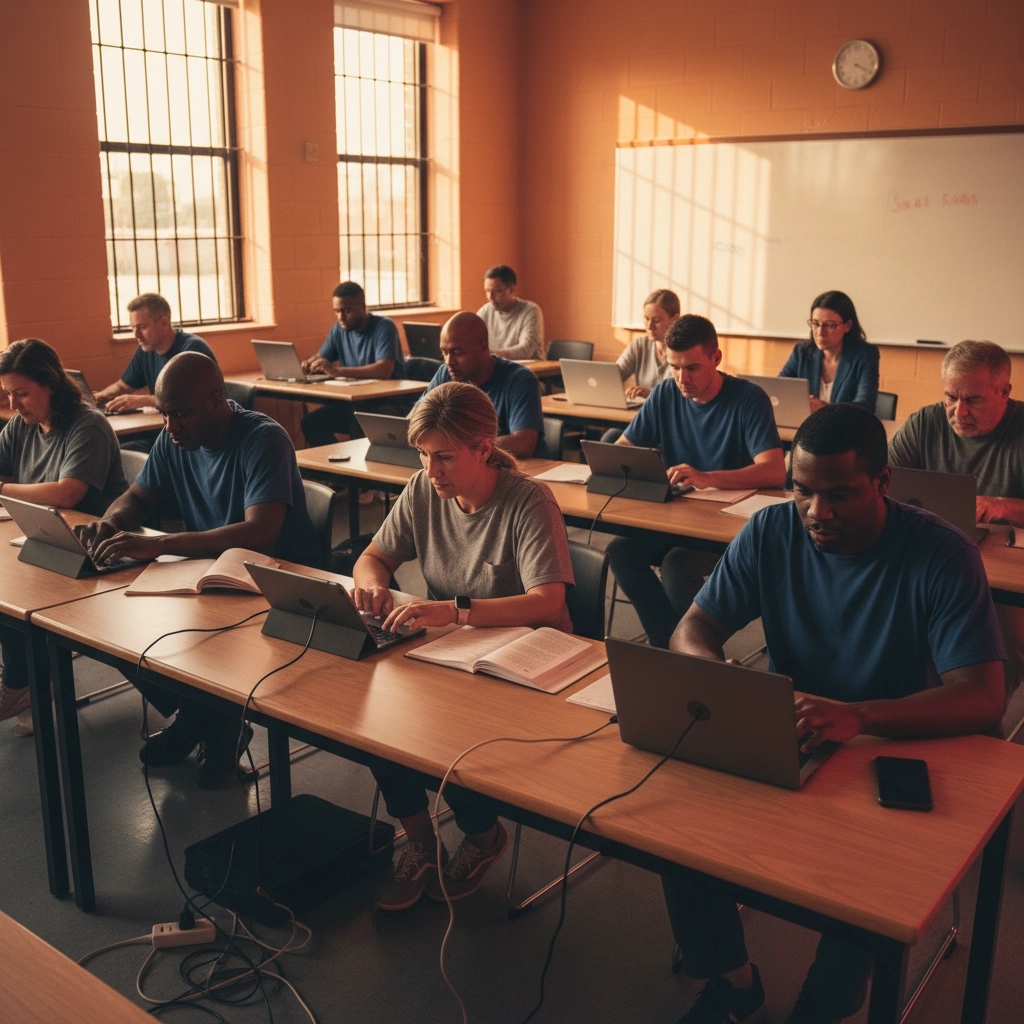
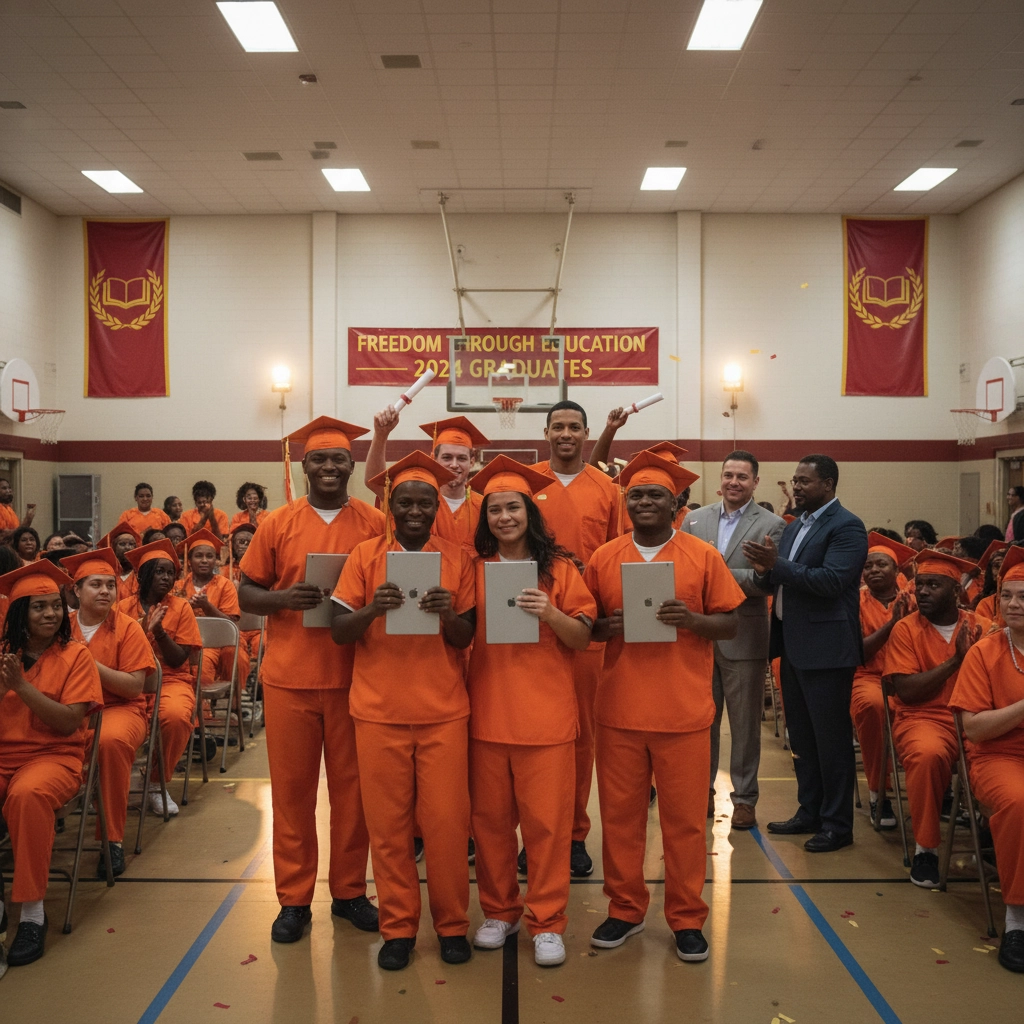
So what does this look like day-to-day? Participants get hands-on training with Ameelio-provided tablets that are approved for use in the facilities. They’re learning everything from basic computer navigation to job searching, from online safety to staying connected with family.
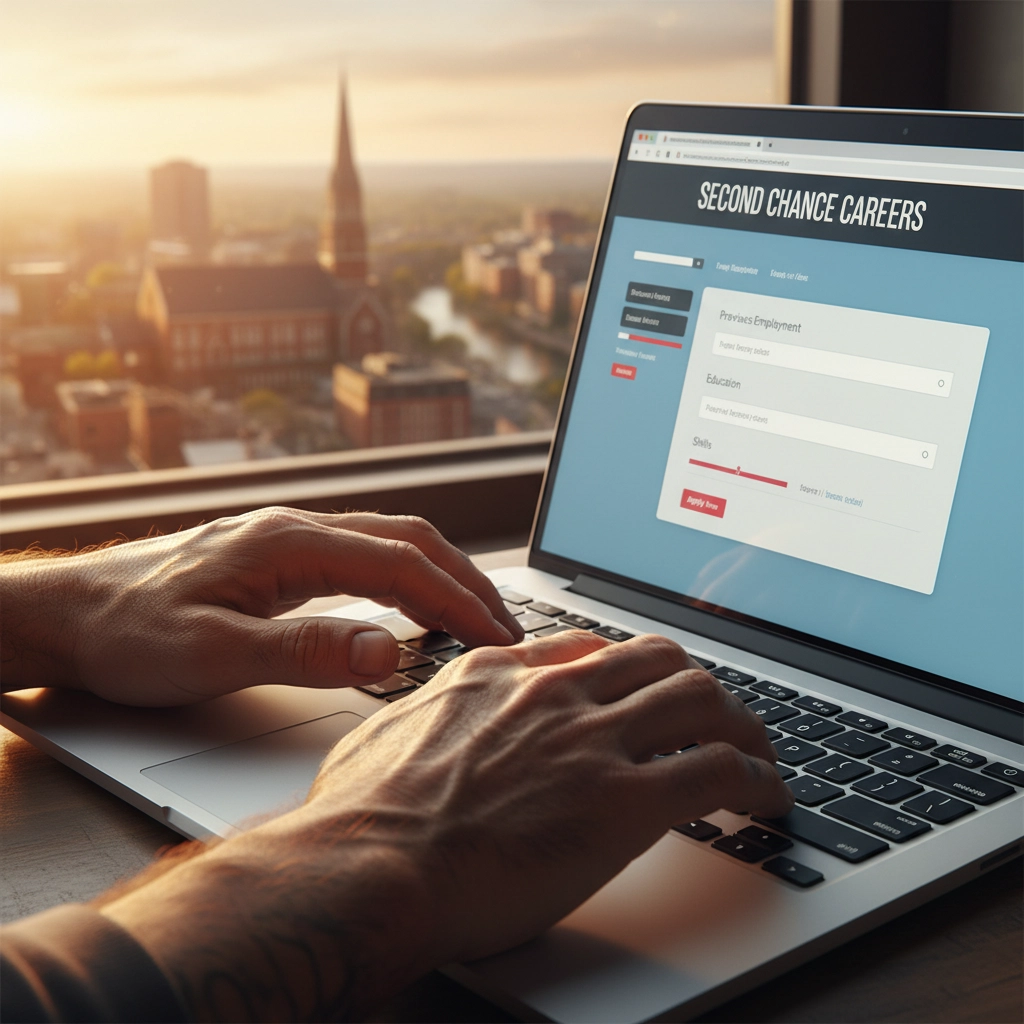
The real game-changer? When someone completes 15 hours of coursework and gets released, they don’t just walk out empty-handed. They get a Chromebook and a hotspot with one year of free internet. That’s not just generous – that’s smart policy. The first year after release is crucial, and having reliable internet access can make the difference between landing that job or staying stuck.
The Numbers Don’t Lie
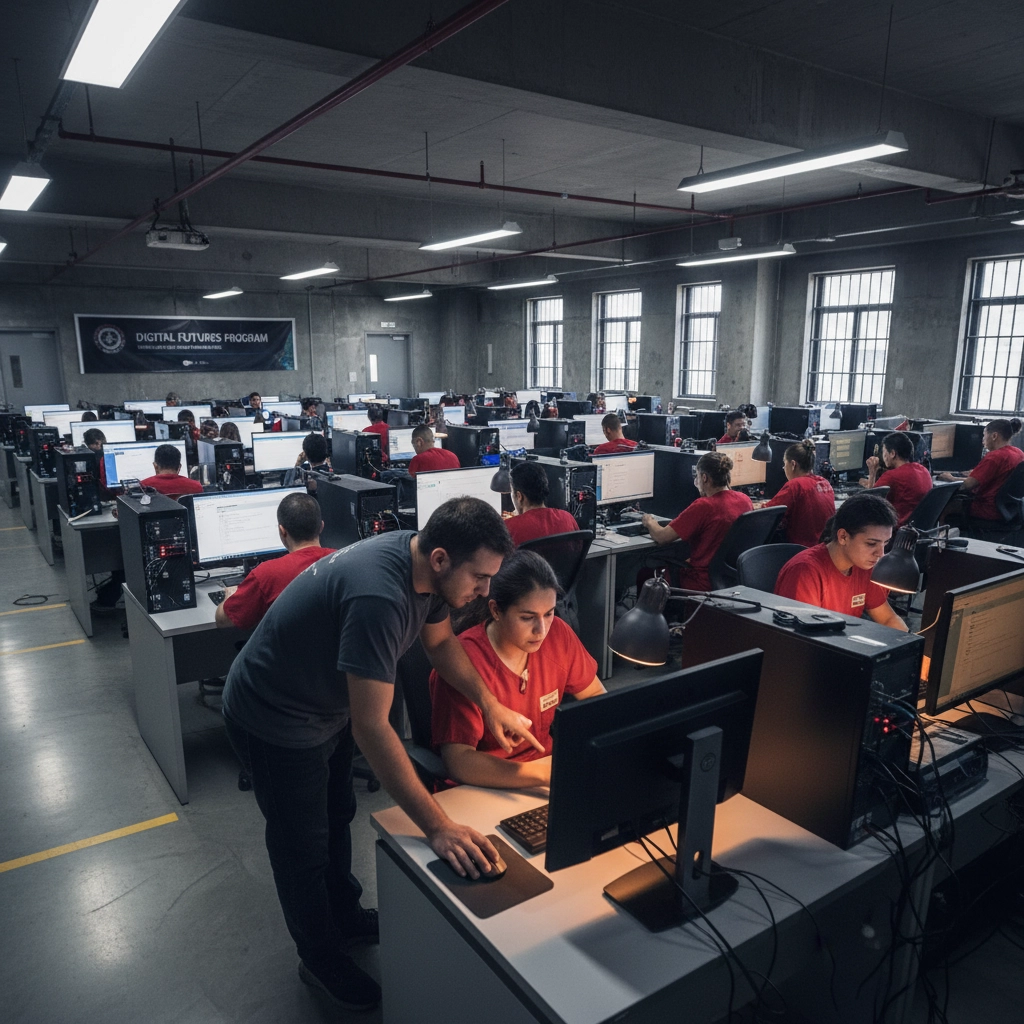
Let’s talk reality: more than 8,000 people are currently incarcerated in Massachusetts county and local jails. Most of these facilities have limited, outdated technology. We’re talking about places where payphones are still the main way to call home. When the outside world is running on smartphones and WiFi, that gap becomes a chasm.
By reaching people during incarceration instead of waiting until release, Tech Goes Home is getting ahead of the problem. They’re addressing barriers before they become roadblocks, giving people tools that research shows reduce recidivism and open pathways to employment, education, and stronger family connections.
It’s Not Just About the Incarcerated Person
Here’s something people don’t always think about: this program isn’t just helping the people inside. It’s helping families too. Tech Goes Home is working with corrections staff to promote courses for relatives of incarcerated individuals, helping them access reliable internet and devices so they can stay connected with their loved ones.
When someone can video chat with their kids regularly, when they can help with homework over the phone, when they can maintain those family bonds – that matters for everyone involved.

Real Stories, Real Impact
Current Worcester Youth Poet Laureate Serenity Jackson knows something about using opportunities to grow. While her platform is different, her words ring true for anyone trying to build skills and confidence: “I’ve had the opportunity to connect with artists, activists and community leaders who have inspired me and helped me grow by encouraging me to use my voice with purpose, building relationships and learning to step into every room with confidence.”
That’s exactly what this digital literacy program is about – giving people the confidence to step into every room, every interview, every opportunity knowing they have the skills to succeed.
Looking Forward
This expansion represents something bigger than just computer classes. It’s about Worcester County and Essex County saying we believe in second chances. We believe people can change. We believe everyone deserves the tools to build a better life.
As current Worcester Poet Laureate Oliver De la Paz put it: “It has been an honor to use poetry as a bridge between people, neighborhoods and generations. The city is listening. Youth are listening. And their voices carry power when they stay curious, trust their truth and let words lead them.”
Technology can be that bridge too – connecting people to opportunities, to family, to hope.
Getting Involved
Want to learn more about Tech Goes Home and their mission to close the digital divide? Check out techgoeshome.org. They’re not just working in correctional facilities – they partner with schools, healthcare providers, and community organizations across Massachusetts to make sure everyone has access to the digital tools they need to thrive.
This kind of work doesn’t happen without community support. Whether it’s through volunteering, donations, or just spreading the word, Worcester residents can be part of making sure everyone in our community has a fair shot at success.
Because at the end of the day, that’s what this is all about – giving people a fair shot. And in 2025, that fair shot includes knowing how to navigate the digital world we all live in.

And That’s What’s Up Worcester!
Have news, tips, or a story Worcester needs to hear? Reach Editor-in-Chief Jerry Filmore at jfilmore@whatsupworcester.com or press@whatsupworcester.com ( because community news starts with you.)
About The Author