Let’s Talk: Cell Phones in Worcester Schools
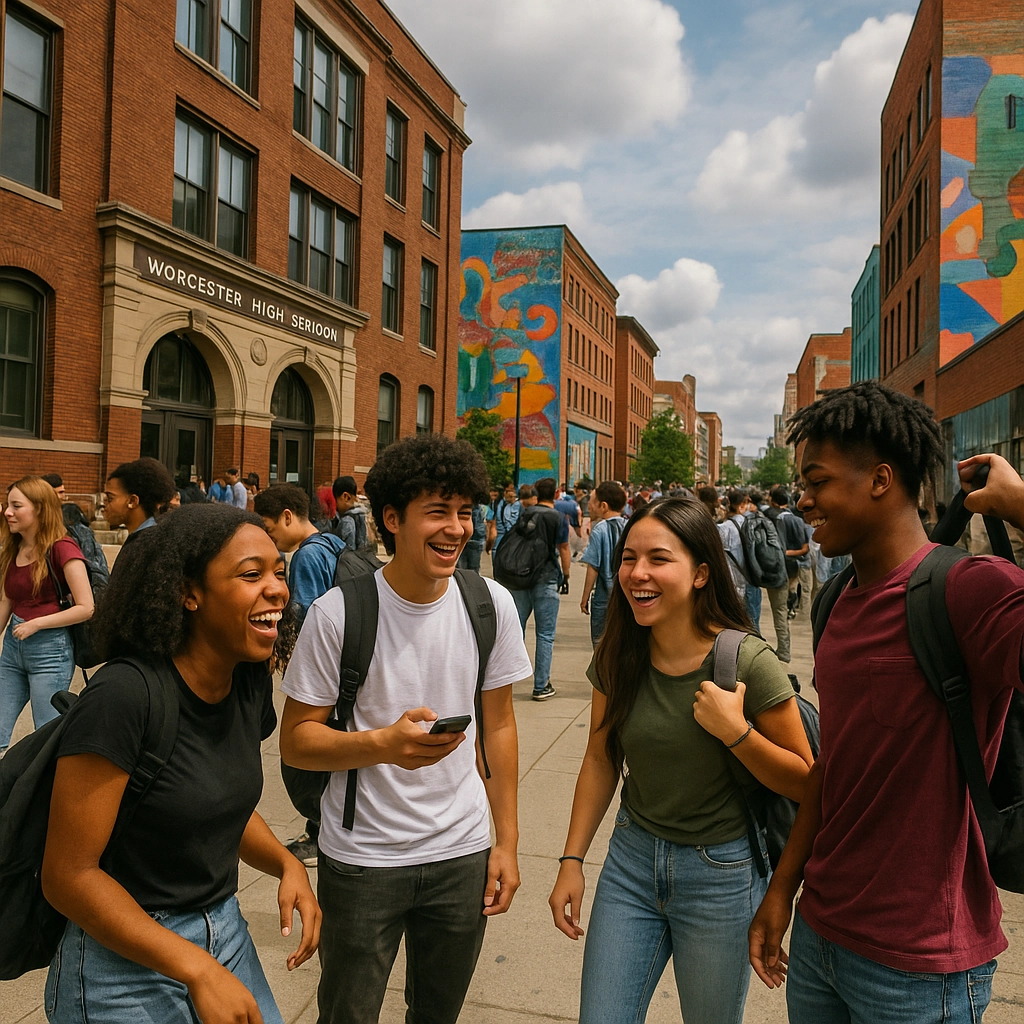
Alright, Worcester. This week’s hot topic is hitting home for students, parents, and teachers across the city. Cell phones in school: are they the biggest distraction since sliced bread or an everyday essential for safety and connection?
Lately, the conversation has gotten even louder. If you haven’t heard the latest, the Massachusetts Senate just dropped a game-changer: by next school year, every public school—from elementary right up to high school—has to have a cell phone-free policy. Yup, for real.
So where does Worcester stand, and what do you think?
What’s the Current Rule in Worcester Schools?
Right now, Worcester Public Schools is in the middle of the debate, trying to find some middle ground. There’s a proposal floating that would still let students keep their phones during the school day, but not out in class unless it’s for schoolwork.
So you can’t be scrolling TikTok during algebra, but you also don’t have to give your phone to the office as soon as you walk through the door. For some folks, that sounds reasonable. For others, it’s either too strict or not strict enough.
But come fall 2026, because of that new state law, Worcester and every other district in Massachusetts will have to tighten up. The state’s drawing the line: no student phone use during the day, with a couple important exceptions (more on that below).
Why Ban Phones? Helpers or Headaches?
Let’s break down both sides, with real voices from right here in Worcester.
Team Ban: Phones Are a Distraction
John Sell, a Worcester parent, puts it straight up:
“Kids go to school to learn. Some will use them to disturb the class and not listen.”
He’s not alone. A lot of teachers say that buzzing, dinging, and sneaky Snapchatting makes class nearly impossible to manage. They see grades drop and focus disappear when phones are everywhere—even in pockets.
And look, it’s not just about texting. For some, it’s drama online spilling into the real world, cyberbullying turned face-to-face, or group chats exploding during lessons. Even for students who want to pay attention, the temptation is real.
National stats back this up:
In 2009, 91% of public schools had a full phone ban. That dipped for a bit, but by 2021, bans were back up to 76% of schools, according to federal data. More districts are getting stricter as worries about mental health, cheating, and constant interruptions keep stacking up.
Team Keep: Phones Are a Lifeline
But hold up. Not everyone’s cheering for a ban. Richard Levitt, another local parent, isn’t convinced:
“It could be something as simple as a weather warning or something as terrible as an active shooter. Anything we can do to help save a life is worth the sacrifice of having cell phones in classrooms.”
Parents and students worry about emergencies—storms, lockdowns, health scares—and say cell phones are how kids stay safe and connected, especially if something goes down. For families juggling work and school across the city, being able to reach your kid right away just feels necessary.
Phones can also be a powerful tool, especially for older students juggling calendars, research, and rides home. Plus, for students with special needs or health conditions, a smartphone can literally be a lifeline.
The Middle: Reasonable Limitations
Don’t want an all-or-nothing approach? You’re not alone.
Some Worcester parents and teachers say phones should be allowed at school but only used:
- Before first period and after the last bell
- In emergencies (think: a real lockdown, not “I missed the bus”)
- For specific educational activities with teacher OK
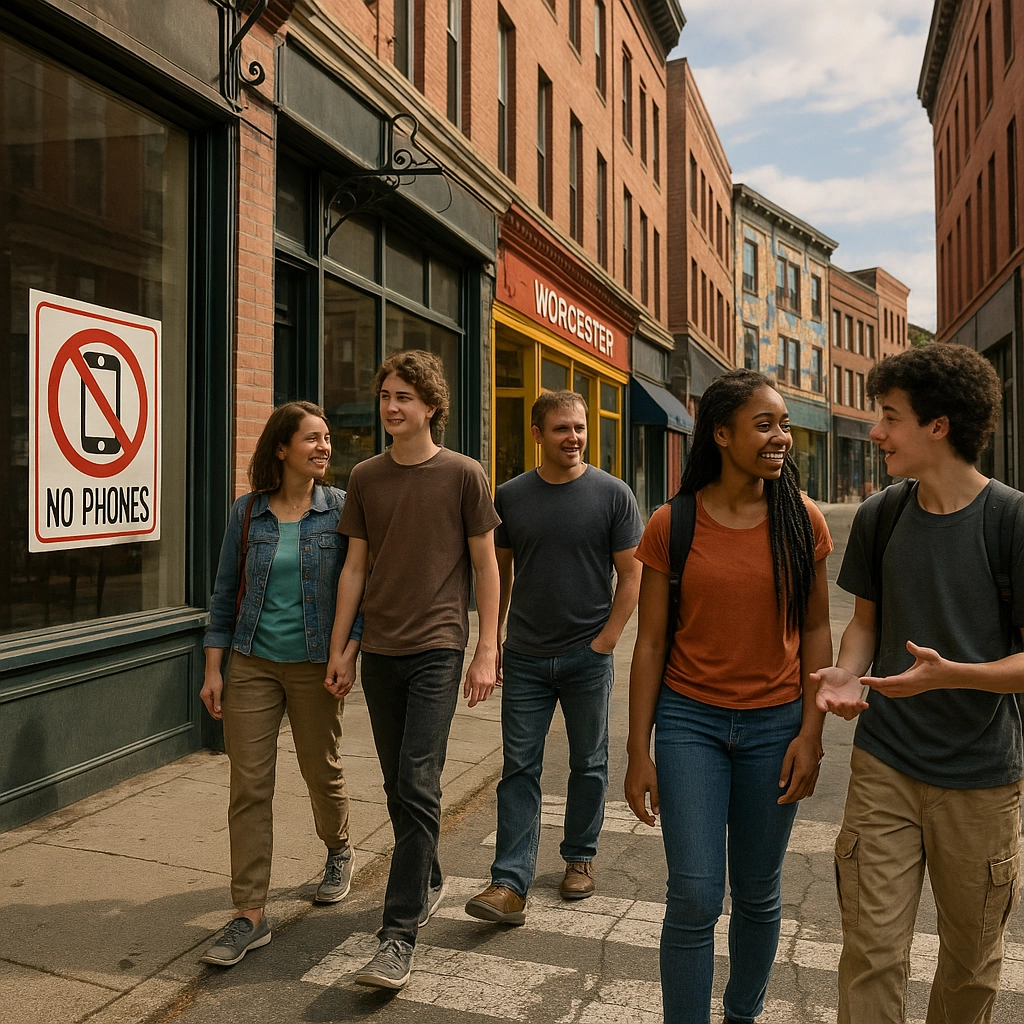
That way, a student isn’t cut off from the world, but also isn’t FaceTiming their cousin in English class.
What Does the New Massachusetts Law Say?
Here’s the deal with the Massachusetts Senate bill S.2561 (“An Act to promote student learning and mental health”):
- By fall 2026, every public school district—Worcester included—must ban student cell phone use during school hours.
- There are exceptions for medical needs, disabilities, students with special education plans (IEPs), or those who have to travel off-campus for classes.
- Districts have to make sure parents and caregivers can still reach their kids in an emergency—and vice versa.
- Schools will need a solid plan for communication, so nobody’s left in the dark during incidents big or small.
Senate President Karen Spilka said it best:
“Cell phones are a device small enough to fit in a pocket, but they present a profound challenge to ensuring student success.”
Supporters say this will help kids focus and take a load off their mental health, stopping the endless scroll of negative news and online drama, even if it means breaking some old habits.
What Do the Numbers Say?
The National Parents Union recently dropped a poll:
- Majority of U.S. parents want their kids to have access to a phone at school but with set limits—like no phones in class, but OK at lunch or free periods.
- Families know phones are useful, but most agree the constant ping of group chats during bio class? Not so great for learning.
- In Massachusetts, a lot of districts were already moving toward tougher rules before the new law.
Safety: Real Risks, Real Plans
One big worry—especially from parents—is how kids will stay safe or reach help without a phone. But school safety experts point out that in real emergencies, too many students jumping on their phones can jam up emergency lines and spread bad info fast.
The new law is trying to walk this tightrope. Schools can’t just collect all the phones and leave families wondering; they have to set up better ways for parents and kids to connect in a crisis.
Tell Us What You Think: Take Our Poll!
We don’t just want to know what the lawmakers think—we want to hear from you! Scroll down, vote, and chime in with your comments.
Should cell phones be banned in Worcester schools?
Comment Section: Your Turn, Worcester!
Do you remember when you had to get to a payphone to call home—or did your parents always know where you were without GPS? If you’re a student, how would a phone ban change your day? If you’re a teacher, has it gotten easier or harder to run a class with phones around?
Drop your real stories and hot takes below. We’ll feature some of the best comments in next week’s newsletter!
More Hot Topics: Vote On What’s Next!
Want to see your issue in the spotlight next time? Vote for next week’s Hot Topic or drop your own. Just type your pick in the comments!
- Should school start times be later?
- Is homework overload stressing students?
- Are Worcester schools doing enough for mental health?
- Should more career/tech programs be offered?
- Would free city bus passes help students get to school?
#WorcesterSchoolDebate #WhatsUpWorcester #WorcesterYouthVoice
Stay Connected
For updates, results, and more voices from across our city, follow What’s Up Worcester on whatsupworcester.com. Your story matters—and we want the whole city to hear it.
About The Author